How Connected Systems Improve Operational Visibility
Introduction
Operational visibility is essential for organizations that want to improve efficiency, productivity, and decision-making. Many businesses struggle with disconnected processes, isolated information, and limited access to critical data. These challenges can create delays, reduce transparency, and make it difficult to monitor daily operations effectively.
Connected systems help solve these challenges by bringing information, processes, and technologies together into a unified environment. By improving communication and data sharing across departments, connected systems provide organizations with greater visibility into their operations and help teams make more informed decisions.
As businesses continue to adopt digital technologies, connected systems are becoming an important part of achieving operational excellence and long-term business success.
What Are Connected Systems?
Connected systems are technologies and digital platforms that allow different business functions, devices, and applications to communicate and share information seamlessly.
Instead of operating in separate environments, connected systems enable information to flow across the organization, improving collaboration and operational awareness.
The Importance of Integrated Information
When business information is stored in multiple locations, it becomes difficult to maintain consistency and accuracy.
Connected systems help organizations:
By connecting systems and processes, organizations can create a more efficient and transparent operational environment.
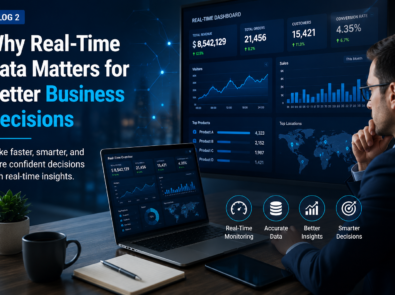

Why Connectivity Matters in Modern Operations
Modern businesses rely on information from multiple sources. Without proper integration, valuable insights can remain isolated within individual departments.
Connected systems ensure that information is accessible when and where it is needed, helping organizations improve operational performance and business outcomes.
Improving Operational Visibility
Operational visibility refers to the ability to monitor and understand activities across an organization in real time.
Connected systems provide businesses with the information needed to gain a clearer picture of daily operations.
Access to Centralized Information
One of the biggest advantages of connected systems is centralized access to information.
Benefits include:
When information is readily available, businesses can respond more quickly to changing operational conditions.
Better Monitoring and Oversight
Connected systems help organizations monitor performance across departments, teams, and business processes.
Businesses can:
This level of visibility helps organizations maintain greater control over their operations.
Enhancing Collaboration Across Departments
Effective collaboration is essential for business success. Disconnected systems often create communication barriers that slow down workflows and reduce efficiency.
Improving Communication
Connected systems enable teams to share information more effectively and work together toward common goals.
Benefits include:
Better communication helps organizations improve productivity and overall performance.
Supporting Cross-Functional Operations
When departments have access to shared information, coordination becomes easier and more effective.
Connected systems help businesses streamline operations by ensuring that teams are working with consistent and accurate information.
Supporting Better Business Decisions
Accurate and accessible information plays a critical role in effective decision-making.
Connected systems provide decision-makers with valuable insights that support business planning and operational management.
Access to Meaningful Insights
Organizations can use connected systems to gather and analyze information from multiple sources.
Businesses can:
Access to comprehensive information improves confidence in business decisions.
Faster Response to Operational Challenges
Connected systems help organizations identify issues more quickly and take action before they impact business performance.
Benefits include:
This allows businesses to adapt more effectively to changing conditions.
Key Benefits of Connected Systems
Organizations that implement connected systems often experience several important advantages:
These benefits help organizations create a more connected and effective operating environment.
Best Practices for Implementing Connected Systems
Define Operational Goals
Businesses should identify the objectives they want to achieve through improved connectivity and visibility.
Ensure Data Consistency
Reliable and accurate information is essential for successful system integration.
Encourage Collaboration
Employees should understand how connected systems support communication and teamwork.
Monitor System Performance
Organizations should regularly evaluate performance and identify opportunities for improvement.
Conclusion
Connected systems play an important role in improving operational visibility, enhancing collaboration, and supporting informed decision-making. By connecting information, processes, and technologies, organizations can gain a clearer understanding of their operations and improve overall efficiency.
As businesses continue to evolve, connected systems will remain a valuable tool for creating transparency, improving productivity, and supporting sustainable growth.
Frequently Asked Questions
What are connected systems?
Connected systems are technologies and platforms that allow different business functions and applications to communicate and share information.
How do connected systems improve operational visibility?
They provide centralized access to information, helping organizations monitor activities and make informed decisions.
Why are connected systems important for businesses?
They improve communication, collaboration, efficiency, and overall operational performance.
Can connected systems improve teamwork?
Yes. Shared access to information helps teams communicate more effectively and work together efficiently.
How do connected systems support business growth?
They improve visibility, streamline operations, support better decisions, and help organizations adapt to changing business requirements.
