
- Our Article
10 Benefits of Fleet Management Systems for Modern Businesses.
Managing a fleet of vehicles involves much more than knowing where vehicles are. Businesses need to control fuel costs, maintain vehicles, improve driver safety, optimize routes, reduce downtime, and keep daily operations running efficiently.
A fleet management system brings these activities together through technology such as GPS tracking, telematics, vehicle data, alerts, dashboards, and reporting.
For businesses operating a few vehicles or a large commercial fleet, the right system can provide better visibility, improve operational control, reduce unnecessary costs, and support data-driven decision-making.
In this guide, we explore 10 benefits of fleet management systems and explain how modern fleet technology can improve everyday business operations.
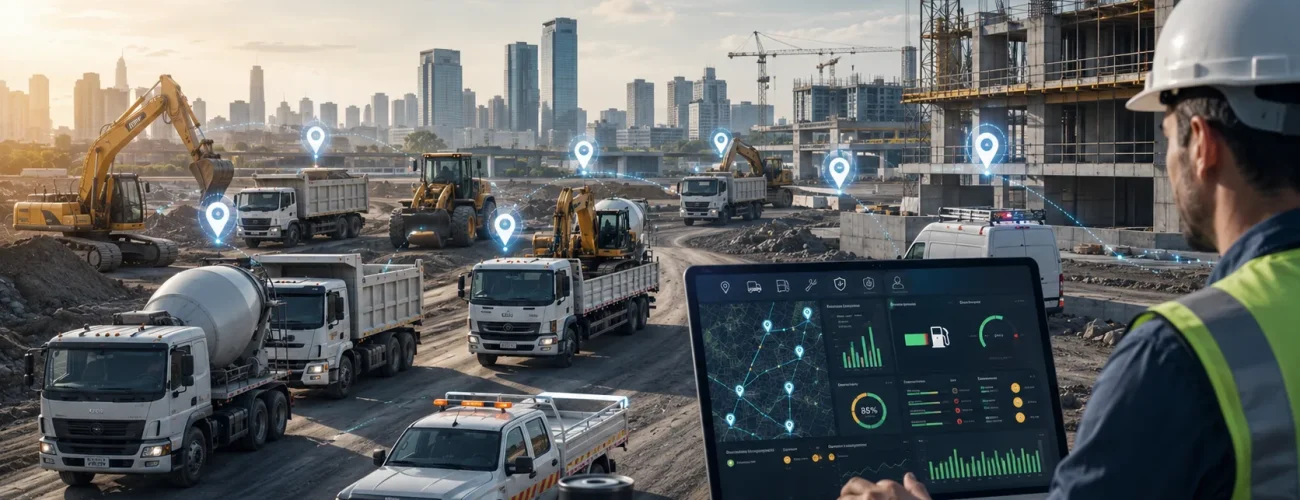
What Is a Fleet Management System?
A fleet management system is a technology solution used to monitor and manage vehicles, drivers, and fleet operations.
Depending on the solution, businesses can use a fleet management system to:
- Track vehicle locations in real time
- Monitor driver behavior
- Manage vehicle maintenance
- Monitor fuel consumption
- Analyze vehicle utilization
- Plan and monitor routes
- Receive alerts and notifications
- Generate fleet reports
- Review historical vehicle data
Instead of relying only on spreadsheets, phone calls, paper records, or manual updates, fleet managers can access important operational information from a centralized platform.
This helps businesses respond faster and make decisions using actual fleet data.
10 Benefits of Fleet Management Systems
1. Real-Time Vehicle Tracking
Real-time GPS tracking is one of the most important features of modern fleet management systems.
Businesses can see where vehicles are, monitor movement, review trip history, and understand how vehicles are being used throughout the day.
Real-time vehicle tracking can help businesses:
- Monitor vehicle locations
- Improve delivery visibility
- Review vehicle routes
- Identify unexpected stops
- Respond to customer location queries
- Improve fleet control
- Monitor vehicle movement
For example, if a customer asks about the status of a delivery, a fleet manager can check the vehicle’s current location instead of relying on a phone call to the driver.
Better visibility can improve both operational control and customer communication.
2. Lower Fuel and Operating Costs
Fuel is a major recurring expense for many businesses that operate vehicles.
Fleet management systems can help businesses understand the factors contributing to fuel consumption.
Depending on the system, managers can monitor information such as:
- Distance traveled
- Idle time
- Driver behavior
- Route efficiency
- Vehicle utilization
- Fuel consumption
- Engine hours
This data can help identify unnecessary mileage, excessive idling, inefficient driving, and other operational issues that may contribute to higher fuel costs.
For example, if a vehicle regularly travels significantly farther than expected for similar jobs, managers can investigate the route and determine whether the operation can be improved.
Fleet technology does not automatically reduce fuel costs, but it gives managers the visibility needed to identify and address fuel waste.
3. Improved Fleet Safety
Driver and vehicle safety should be a priority for every fleet-based business.
Fleet management systems can provide information about driving behavior and potentially risky events.
Depending on the available technology, managers may be able to monitor:
- Speeding
- Harsh braking
- Rapid acceleration
- Excessive idling
- Sudden driving events
- Other configurable driver behavior events
This information allows managers to identify patterns rather than relying only on individual reports.
Businesses can use the data to provide targeted driver coaching and encourage safer driving practices.
A consistent approach to driver monitoring can support a stronger safety culture while also helping businesses understand how driving behavior affects fleet performance.
4. Better Vehicle Maintenance
Vehicle maintenance plays an important role in fleet reliability.
Unexpected mechanical problems can result in repair costs, vehicle downtime, missed schedules, and disruption to customer service.
A fleet management system can help businesses organize maintenance information such as:
- Service schedules
- Vehicle mileage
- Maintenance dates
- Service history
- Maintenance reminders
- Vehicle information
- Diagnostic information, where supported
Managers can use this information to plan preventive maintenance rather than waiting for problems to become major failures.
Regular maintenance can help:
- Reduce unexpected breakdowns
- Improve vehicle reliability
- Extend vehicle service life
- Reduce avoidable repair costs
- Minimize vehicle downtime
A proactive maintenance process can make fleet operations more predictable.
5. Increased Driver Productivity
Fleet managers need visibility into how vehicles and drivers are being used throughout the working day.
Fleet management technology can provide information about:
- Trips
- Routes
- Vehicle activity
- Stops
- Driving time
- Vehicle utilization
- Driver behavior
This information can help identify inefficient processes.
For example, managers may discover that vehicles spend excessive time waiting between jobs, take inefficient routes, or travel unnecessary distances.
By identifying these issues, businesses can improve scheduling, route planning, and resource allocation.
Better visibility can help businesses make more productive use of their existing fleet without necessarily adding more vehicles.
6. Improved Route Planning
Route efficiency can affect travel time, fuel consumption, vehicle utilization, and customer service.
Fleet management systems can help businesses monitor planned and actual vehicle routes.
Managers can use route information to identify:
- Unnecessary detours
- Repeated trips
- Long travel distances
- Frequently delayed routes
- Inefficient delivery sequences
- Areas where route planning can be improved
Better route planning can help drivers spend less time traveling unnecessarily and improve the efficiency of daily fleet operations.
For businesses managing multiple vehicles, centralized route visibility can also make it easier to coordinate assignments.
7. Reduced Vehicle Downtime
Vehicle downtime can directly affect productivity and customer service.
When a vehicle becomes unavailable unexpectedly, a business may need to reschedule work, arrange another vehicle, or delay a customer delivery.
Fleet management systems can help reduce avoidable downtime by supporting maintenance scheduling and vehicle monitoring.
Managers can keep track of:
- Upcoming maintenance
- Vehicle service history
- Mileage
- Vehicle availability
- Maintenance requirements
- Vehicle utilization
By identifying maintenance needs earlier, businesses can plan service around operational schedules and reduce the risk of unexpected disruptions.
8. Better Fleet Visibility and Control
Managing a fleet without centralized information can become increasingly difficult as the number of vehicles grows.
A fleet management system brings important information together in one platform.
Depending on the solution, managers may be able to view:
- Vehicle locations
- Driver activity
- Fuel information
- Maintenance status
- Trip history
- Vehicle utilization
- Driving behavior
- Alerts
- Fleet performance reports
Having this information in one place makes it easier to understand what is happening across the fleet.
Instead of reacting to individual problems as they occur, managers can use fleet data to identify patterns and make more informed operational decisions.
9. More Accurate Reports and Data Insights
Fleet data becomes more valuable when businesses can turn it into useful information.
Fleet management platforms can collect vehicle and operational data and present it through dashboards and reports.
Managers can use reports to identify:
- Vehicles with higher fuel consumption
- Less efficient routes
- Maintenance requirements
- Vehicle utilization patterns
- Driver behavior trends
- Operating cost opportunities
- Changes in fleet performance over time
Historical data can also help businesses compare performance across vehicles, drivers, routes, and periods.
This supports a shift from reactive fleet management toward data-driven fleet management.
10. Improved Customer Service
Fleet operations have a direct effect on customer experience for many businesses.
Customers may want accurate information about deliveries, service visits, arrival times, or vehicle locations.
Real-time fleet visibility can help businesses provide better updates.
For example, a manager can check vehicle location and route information when responding to a customer about a delayed delivery.
Better fleet visibility can help businesses:
- Provide more accurate updates
- Improve delivery visibility
- Respond faster to delays
- Improve scheduling
- Increase operational reliability
For businesses where vehicles are directly involved in customer service, better fleet management can therefore contribute to a better overall customer experience.
How Fleet Management Systems Improve Business Efficiency
The benefits of fleet management systems are connected.
For example:
GPS Tracking → Route Visibility → Better Route Planning → Less Unnecessary Travel → Improved Efficiency
Another example is:
Driver Monitoring → Behavior Analysis → Driver Coaching → Safer Driving → Better Fleet Performance
Maintenance can work in a similar way:
Maintenance Data → Service Planning → Preventive Maintenance → Fewer Unexpected Breakdowns → Less Downtime
The value of fleet technology comes from connecting these areas rather than treating each one as a separate task.
Fleet Management System Benefits by Business Area
| Business Goal | Fleet Management Capability |
|---|---|
| Improve vehicle visibility | Real-time GPS tracking |
| Control fuel costs | Fuel monitoring and fleet analytics |
| Improve driver safety | Driver behavior monitoring |
| Reduce breakdowns | Maintenance management |
| Improve route efficiency | Route monitoring and planning |
| Reduce downtime | Preventive maintenance tracking |
| Improve productivity | Vehicle and driver activity data |
| Improve customer communication | Real-time vehicle visibility |
| Control fleet operations | Centralized dashboards |
| Make better decisions | Reports and historical data |
The most valuable features depend on the fleet’s size, vehicle types, operating environment, and business objectives.
How to Choose the Right Fleet Management System
Not every business needs the same fleet management solution.
Before choosing a system, consider:
- Number of vehicles
- Vehicle types
- Operating locations
- Fleet management goals
- Fuel monitoring requirements
- Driver safety requirements
- Maintenance requirements
- Reporting needs
- Mobile access requirements
- Integration requirements
- Future fleet growth
Important capabilities may include:
- Real-time GPS tracking
- Vehicle location history
- Driver behavior monitoring
- Fuel monitoring
- Fuel-level monitoring
- Maintenance management
- Route monitoring
- Geofencing
- Alerts and notifications
- Fleet reports
- Dashboard analytics
- Mobile access
It is also important to consider scalability. A solution that works for a small fleet should be able to support additional vehicles and changing operational requirements as the business grows.
Who Can Benefit From Fleet Management Systems?
Fleet management technology can be useful across many industries where vehicles are an important part of daily operations.
Examples include:
- Logistics and transportation
- Delivery companies
- Construction
- Field services
- Passenger transportation
- Rental and leasing
- E-commerce delivery
- Utilities
- Distribution
- Service-based businesses
- Commercial vehicle operations
The specific benefits will depend on how vehicles are used and which operational challenges the business needs to solve.
Fleet Management System vs. Manual Fleet Management
Traditional fleet management may depend heavily on spreadsheets, paper records, phone calls, and manually collected information.
These methods can become difficult to manage as the fleet grows.
A digital fleet management system can provide:
- Centralized information
- Real-time visibility
- Automated data collection
- Faster reporting
- Historical records
- Alerts
- Easier performance monitoring
The goal is not necessarily to eliminate every manual process. Instead, technology can reduce unnecessary manual work and provide managers with more reliable information for decision-making.
How DiselMap Can Help Businesses Manage Their Fleets
Effective fleet management requires visibility into vehicles, drivers, routes, fuel usage, maintenance, and daily operations.
DiselMap provides fleet management technology designed to help businesses monitor vehicle operations and make better decisions using fleet data.
Depending on the solution and configuration, businesses can use fleet technology to improve vehicle visibility, monitor fleet activity, analyze operational performance, and manage important aspects of day-to-day fleet operations.
Better information can help fleet managers identify operational issues, improve efficiency, and maintain greater control as their fleet grows.
Frequently Asked Questions
What are the main benefits of a fleet management system?
The main benefits include real-time vehicle tracking, better fuel control, improved driver safety, preventive maintenance, reduced downtime, improved route planning, greater fleet visibility, better reporting, increased productivity, and improved customer service.
What does a fleet management system do?
A fleet management system helps businesses monitor and manage vehicles, drivers, routes, fuel usage, maintenance, and other fleet activities through a centralized technology platform.
Can fleet management systems reduce fuel costs?
They can help businesses identify factors that contribute to unnecessary fuel consumption, such as excessive idling, inefficient routes, unnecessary travel, and inefficient driving behavior. Managers can then take corrective action.
Is GPS tracking part of fleet management?
GPS tracking is a common component of fleet management systems. It provides vehicle location, movement, and trip information that can support route management, fleet visibility, and operational planning.
Can small businesses use fleet management systems?
Yes. Fleet management technology can be useful for small businesses as well as large fleets. The appropriate solution depends on the number of vehicles, business requirements, budget, and desired features.
How does fleet management improve driver safety?
Fleet systems can provide information about driving events such as speeding, harsh braking, rapid acceleration, and excessive idling. Managers can use this information to identify risky patterns and provide targeted driver coaching.
How does fleet management help with vehicle maintenance?
Fleet management systems can help businesses track mileage, service schedules, maintenance history, and reminders. This supports preventive maintenance and can help reduce avoidable downtime.
What should businesses consider when choosing a fleet management system?
Businesses should consider fleet size, vehicle types, tracking requirements, fuel monitoring, driver safety, maintenance, reporting, integrations, ease of use, scalability, and the specific operational goals of the business.
Final Thoughts
A modern fleet management system can give businesses greater visibility and control over vehicle operations.
From real-time GPS tracking and route planning to fuel monitoring, driver behavior, maintenance management, reporting, and operational analytics, fleet technology can help businesses make better decisions.
The most important benefit is not simply having more data. It is being able to turn fleet data into practical actions.
By identifying inefficient routes, monitoring vehicle and driver performance, planning maintenance, controlling fuel usage, and improving operational visibility, businesses can build more efficient and reliable fleet operations.
For businesses that depend on vehicles every day, the right fleet management system can become an important part of controlling costs, improving productivity, supporting safety, and delivering better customer service.
Ready to Take Control of Your Fleet ?
Improve fleet visibility, reduce operating costs, and manage your vehicles more efficiently with DiselMap’s fleet management solutions.
Monitor vehicle tracking, routes, fuel usage, maintenance, and driver activity with real-time insights that help you make smarter fleet decisions.
Contact DiselMap today to improve your fleet operations.