
- Our Article
Dashcam Evidence for Road Accidents, Insurance Claims & Fleet Safety
A road accident can happen in seconds, but understanding what actually happened can take much longer. Dashcam footage provides a visual record of events that can help businesses, fleet operators, drivers, insurers, and investigators better understand what happened before, during, and after a road accident.
For commercial fleets, dashcam systems can do more than record the road. When combined with GPS tracking, telematics, and fleet management technology, vehicle cameras can support accident investigation, driver safety, risk management, and better fleet visibility.
Diselmap provides Dashcam and 360° Camera solutions designed to help businesses improve vehicle visibility, strengthen fleet safety, and gain better insight into road incidents.
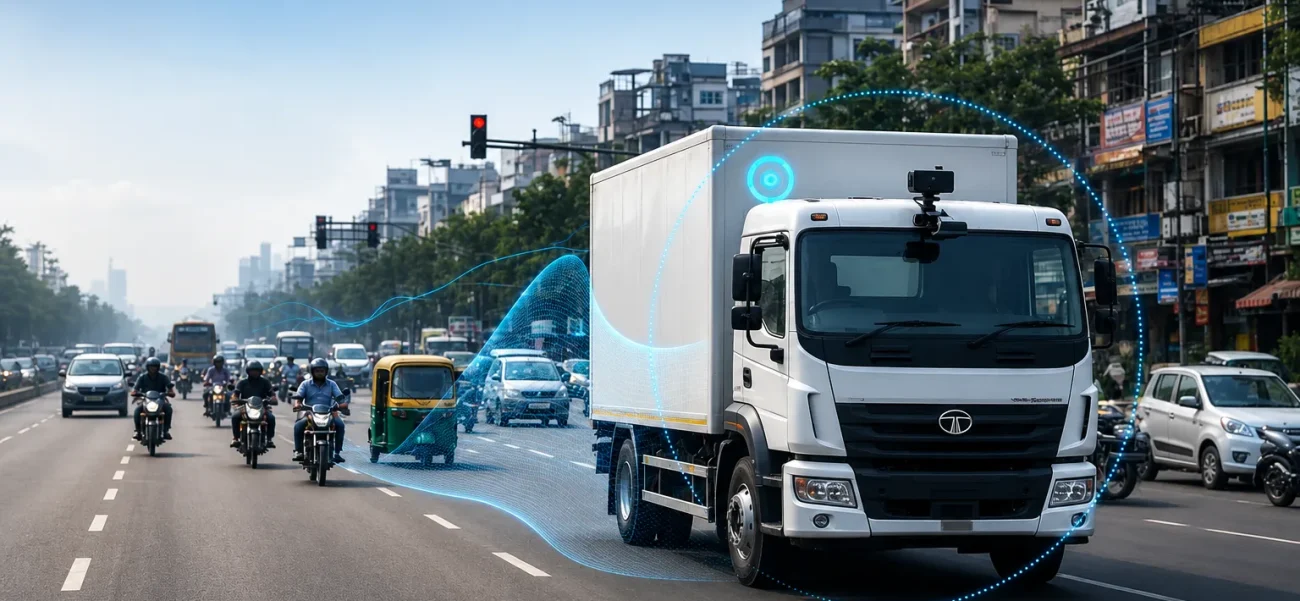
Why Dashcam Evidence Matters After a Road Accident
After an accident, different people may provide different accounts of what happened. Traffic conditions, vehicle movements, road conditions, visibility, and other factors can make an incident difficult to reconstruct.
Dashcam footage can provide an additional visual record of the incident.
Depending on the camera system and recording configuration, footage may help businesses and relevant authorities review:
- What happened before the incident
- Vehicle movements
- Traffic conditions
- Road conditions
- Driver actions
- Other vehicles and road users
- The sequence of events
- Events immediately following an accident
Dashcam footage should be considered alongside other available evidence, such as photographs, witness statements, police reports, vehicle data, and insurance documentation.
Can Dashcam Footage Be Used as Evidence?
Dashcam footage can potentially be used as supporting evidence in accident investigations, insurance matters, and other disputes, depending on the circumstances and applicable laws.
The value of recorded footage can depend on factors such as:
- Video quality
- Date and time information
- GPS information
- Continuity of the recording
- Original file integrity
- Camera positioning
- Storage and retention practices
- Applicable legal and privacy requirements
For this reason, businesses should preserve original recordings and follow appropriate procedures when sharing footage with insurers, authorities, legal representatives, or other relevant parties.
Dashcam footage is generally most useful when it is clear, securely stored, and supported by other relevant information.
How Dashcam Footage Helps Establish What Happened
A quality vehicle camera can provide important context that may not be available from written statements alone.
Reviewing the Sequence of Events
Video can help establish the sequence of events leading up to an incident, including vehicle movement and road activity.
Understanding Road and Traffic Conditions
Footage may show traffic density, road conditions, signals, signage, weather conditions, and other visible factors at the time of an incident.
Examining Vehicle Movements
Recorded video can help show how vehicles approached, moved, stopped, changed direction, or interacted with other road users.
Reviewing Driver Actions
Depending on camera positioning, footage can provide visibility into events occurring around the vehicle and, where applicable, inside the cabin.
Identifying Other Road Users
Video may capture surrounding vehicles, pedestrians, motorcycles, cyclists, and other road users that could be relevant to an incident investigation.
Dashcam Evidence for Road Accident Claims
For fleet operators, an accident can result in vehicle downtime, repair costs, operational disruption, insurance claims, and reputational concerns.
Dashcam footage can provide an additional source of information when reviewing an accident.
Businesses may use recorded footage to:
- Review the circumstances of an accident
- Understand the sequence of events
- Support internal incident investigations
- Provide relevant footage to insurers or authorities
- Review driver behaviour
- Identify safety risks
- Improve future driver training
However, businesses should avoid making assumptions based on video alone. Dashcam footage should be reviewed together with other available evidence and professional advice where appropriate.
How Dashcam Footage Can Help With Insurance Disputes
Insurance claims can sometimes involve disagreements about how an accident occurred.
Recorded video may provide useful visual context when the accounts of different parties do not fully match.
Depending on the incident, footage may help show:
- Vehicle position
- Traffic movement
- Road conditions
- Driver actions
- The sequence of events
- Visible impact circumstances
- Events immediately before and after an incident
Businesses should retain the original recording and provide footage through the appropriate insurance or claims process.
Important: Dashcam footage does not automatically guarantee an insurance claim outcome. Its relevance and admissibility can depend on the specific circumstances, insurer requirements, and applicable laws.
How Dashcam Footage Supports Police Investigations
Following a serious road incident, authorities may need to understand what happened and how the events developed.
Where legally appropriate, dashcam footage may provide additional information for an investigation.
Video may help investigators review:
- Vehicle movement
- Road conditions
- Traffic behaviour
- Driver actions
- Visible events immediately before an incident
- Other vehicles or road users
Businesses should follow applicable legal requirements and provide recordings through the appropriate process when requested by authorised authorities.
Dashcam vs 360° Camera: Which Provides Better Visibility?
A traditional front-facing dashcam primarily records the road ahead. A 360° or multi-camera system can provide broader visibility around a vehicle, depending on the camera configuration.
| Feature | Front Dashcam | 360° / Multi-Camera System |
|---|---|---|
| Front road visibility | Excellent | Excellent |
| Side visibility | Limited | Wider coverage |
| Rear visibility | Limited | Depending on configuration |
| Blind-spot visibility | Limited | Better coverage |
| Accident review | Useful | More comprehensive |
| Fleet safety monitoring | Good | Stronger overall visibility |
| Commercial vehicle use | Suitable | Ideal for wider coverage |
For businesses operating commercial vehicles, the right camera configuration depends on vehicle type, operating environment, risk profile, and required coverage.
How 360° Vehicle Cameras Improve Accident Visibility
Accidents do not always happen directly in front of a vehicle.
Important events can occur:
- Beside the vehicle
- Behind the vehicle
- At intersections
- During lane changes
- During parking or reversing
- Around blind spots
- Near loading and unloading areas
A 360° or multi-camera solution can provide broader visual coverage and help fleet managers review more of the surrounding environment.
This can be particularly useful for trucks, buses, commercial vehicles, delivery fleets, and other vehicles operating in busy urban and highway environments.
What Information Can Dashcam Systems Record?
Depending on the camera and system configuration, vehicle camera solutions may capture different types of information.
These can include:
- Road-facing video
- Cabin video
- Rear or side video
- 360° vehicle surroundings
- Date and time
- GPS location
- Vehicle speed
- Event-triggered recordings
- Audio, where enabled and legally permitted
The exact capabilities depend on the hardware, software, configuration, and applicable privacy requirements.
What Should You Do With Dashcam Footage After an Accident?
If an accident occurs, protecting the original recording is important.
1. Preserve the Original Footage
Do not overwrite or unnecessarily modify the original recording.
2. Create a Secure Backup
Store a secure copy of relevant footage so that it is not lost due to device failure, storage limitations, or accidental deletion.
3. Record Incident Details
Document relevant information such as:
- Date and time
- Vehicle identification
- Location
- Driver information
- Incident description
- Other available evidence
4. Avoid Editing the Original File
If a shortened clip is required for sharing, retain the original recording separately.
5. Follow the Appropriate Reporting Process
Share relevant footage with insurers, authorities, legal representatives, or other authorised parties as appropriate.
6. Protect Personal Information
Vehicle camera recordings may contain people, number plates, locations, and other potentially sensitive information. Handle and share recordings responsibly and in accordance with applicable privacy and data protection requirements.
How Dashcams Can Help Review Disputed or False Accident Claims
When accident accounts differ, recorded video may provide additional information for reviewing the circumstances.
For fleet operators, footage can help compare recorded events with:
- Driver statements
- Other-party statements
- Photographs
- Vehicle damage
- GPS information
- Telematics data
- Witness information
- Official reports
Dashcam footage should not be treated as the only source of truth. A complete incident review should consider all relevant evidence.
How Dashcams Improve Fleet Safety Beyond Accident Evidence
The value of a fleet camera system extends beyond accident investigations.
When used as part of a broader fleet safety strategy, dashcams can help businesses identify risks and improve driver awareness.
Driver Coaching
Use relevant video events to help identify driving behaviours that may require coaching or additional training.
Risk Management
Identify recurring road and driver-related risks across your fleet.
Incident Investigation
Review recorded events to better understand accidents, near misses, and other incidents.
Fleet Accountability
Provide greater visibility into vehicle activity and road events.
Safety Awareness
Use real-world driving events to support safety discussions and driver training programs.
Operational Visibility
Combine video information with GPS and fleet data to gain a broader understanding of vehicle operations.
Choosing the Right Dashcam for Commercial Fleets
Different businesses have different visibility requirements.
Before selecting a fleet camera solution, consider the vehicle type, operating environment, number of vehicles, required coverage, storage needs, and fleet management requirements.
Front-Facing Dashcam
A front-facing dashcam records the road ahead and can be suitable for businesses primarily focused on forward road visibility and accident recording.
Dual Dashcam
A dual-camera configuration can provide front-road and cabin or rear visibility, depending on the system.
Multi-Camera System
Multiple cameras can provide wider coverage around commercial vehicles and help address specific operational or safety requirements.
360° Vehicle Camera
A 360° camera system can provide broader visibility around the vehicle and may be particularly useful for larger commercial fleets.
GPS-Connected Dashcam
Combining video with GPS information can provide additional context around where and when an event occurred.
How to Choose a Fleet Dashcam System
Businesses should evaluate more than just camera resolution when selecting a fleet dashcam.
Video Quality
Clear video is important for reviewing road incidents and identifying visible details.
Field of View
Consider whether you need front-only visibility or broader coverage around the vehicle.
Night Recording
Commercial fleets may operate at night, making low-light performance an important consideration.
Storage & Retention
Evaluate how footage is stored, how long it is retained, and how quickly relevant recordings can be retrieved.
GPS Integration
GPS information can add location and trip context to recorded events.
Event Detection
Depending on the solution, event-triggered recording can help identify and retain footage around significant incidents.
Fleet Management Integration
A connected camera system can provide greater value when it works alongside GPS tracking, telematics, and fleet management systems.
Scalability
Choose a solution that can support your current fleet and future expansion.
Combining Dashcams With GPS Tracking and Telematics
Video provides visual information, while GPS and telematics can provide additional operational context.
When these technologies work together, fleet managers can gain a more complete picture of an incident.
For example:
Dashcam → What happened visually
GPS → Where did it happen?
Vehicle data → What was the vehicle doing?
Fleet platform → How does the event fit into the overall operation?
This connected approach can support better accident investigation, driver safety programs, fleet monitoring, and operational decision-making.
Dashcams as Part of a Complete Fleet Safety Strategy
A camera system should not operate in isolation.
For stronger fleet safety management, businesses can combine vehicle cameras with:
- GPS fleet tracking
- Driver behaviour monitoring
- Telematics
- Vehicle diagnostics
- Fleet analytics
- Preventive maintenance
- Fuel management
- Safety alerts
Together, these technologies can help fleet managers move from simply recording incidents to proactively identifying risks and improving fleet operations.
Privacy and Responsible Use of Vehicle Camera Systems
Vehicle cameras may capture public roads, employees, passengers, pedestrians, vehicle registration numbers, and other information.
Businesses should therefore establish clear policies for:
- Camera usage
- Data access
- Video retention
- Data security
- Footage sharing
- Employee awareness
- Privacy protection
- Legal compliance
Camera systems should be deployed and operated responsibly, with consideration for applicable local laws and organisational policies.
Why Choose Diselmap for Dashcam & 360° Camera Solutions?
Diselmap helps businesses improve fleet visibility and safety through connected vehicle technologies.
Our solutions can help businesses combine video visibility with broader fleet management capabilities.
Connected Fleet Technology
Integrate vehicle cameras with GPS tracking, telematics, and fleet management technologies.
Wider Vehicle Visibility
Choose camera configurations based on your vehicle type and operational requirements.
Accident Investigation Support
Use recorded video as an additional source of information when reviewing road incidents.
Driver Safety
Gain greater visibility into driving events and support data-driven driver coaching.
Fleet-Level Monitoring
Manage vehicle information and operational data through connected fleet technology.
Scalable Solutions
Build a camera and fleet technology setup that can support growing business requirements.
Who Can Benefit From Fleet Dashcam Solutions?
Dashcam and vehicle camera systems can be valuable for a wide range of commercial operations, including:
Logistics Companies
Improve visibility across delivery and transportation fleets.
Transport Operators
Monitor commercial vehicles and support driver safety.
Freight & Cargo Fleets
Gain greater visibility during long-distance and high-value transportation operations.
Courier & Delivery Fleets
Monitor vehicles operating across busy urban and regional routes.
Bus & Passenger Transport
Improve visibility around vehicles and support fleet safety programs.
Corporate & Commercial Fleets
Improve road-event visibility and support internal fleet risk management.
Frequently Asked Questions
Does dashcam footage help with insurance claims?
Dashcam footage can provide additional visual information that may help explain how an accident occurred. Its usefulness depends on the circumstances of the incident and the requirements of the relevant insurer or authority.
Can dashcam footage be submitted to police?
Where appropriate and legally permitted, dashcam footage may be provided to authorised authorities as part of an investigation. Businesses should follow the relevant reporting and legal process.
dashcam footage can provide additional information about vehicle positions, traffic conditions, and the sequence of events. It may be reviewed alongside other available evidence during an insurance dispute.
Is dashcam footage legally valid as evidence?
The use and admissibility of dashcam footage can vary depending on the jurisdiction, circumstances, authenticity of the recording, privacy requirements, and other factors. Businesses should obtain appropriate legal advice for specific cases.
How long should dashcam footage be kept?
Retention requirements depend on business needs, storage capacity, incident requirements, and applicable privacy or data protection obligations. Relevant incident footage should be preserved securely for as long as necessary.
Can dashcams help prevent accidents?
A dashcam cannot guarantee accident prevention. However, when integrated into a fleet safety program, recorded events can help identify risky driving behaviour and support driver coaching and safety improvements.
Is a 360° camera better than a front dashcam?
It depends on the visibility required. A front dashcam provides strong forward visibility, while a 360° or multi-camera system can provide broader coverage around the vehicle.
Can dashcam footage be combined with GPS data?
Yes, depending on the system. Combining video with GPS and telematics information can provide additional context about the vehicle’s location, movement, and operating conditions during an event.
What should businesses look for in a fleet dashcam?
Businesses should consider video quality, field of view, night recording, storage, GPS integration, event detection, camera coverage, fleet management integration, scalability, and data security.
Can dashcams monitor driver behaviour?
Depending on the camera configuration and system capabilities, dashcams can provide information that supports the review of driving events and driver behaviour. Camera data can be combined with other fleet information for a broader safety analysis.
What is the difference between a dashcam and a fleet camera system?
A basic dashcam generally focuses on recording the road ahead. A fleet camera system can include multiple cameras, GPS connectivity, event recording, broader vehicle visibility, and integration with fleet management technology.
- Capture Every Journey. Protect Every Drive.
Improve Fleet Safety With Smarter Video Visibility
Road incidents can create uncertainty, operational disruption, and significant costs for businesses.The right vehicle camera solution can provide valuable visual information while supporting a broader fleet safety and management strategy.
With Diselmap Dashcam and 360° Camera solutions, businesses can improve vehicle visibility, support accident investigations, monitor fleet safety, and connect video information with GPS and fleet management technology.
Build a safer, smarter, and more connected fleet with Diselmap.