
- Our Article
Operational Visibility for Better Business Efficiency
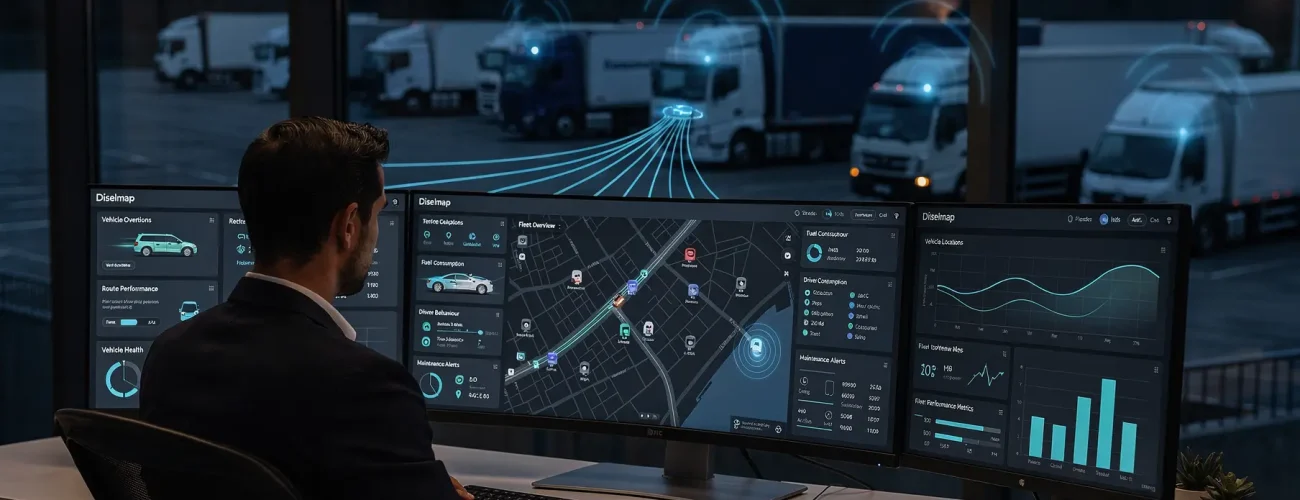
Businesses today need more than basic tracking to manage vehicles, assets, drivers, and daily operations effectively. They need a clear, real-time view of what is happening across their operations. This is where operational visibility becomes essential.
Operational visibility gives businesses access to accurate, connected, and real-time information so they can monitor performance, identify issues, reduce operational costs, and make faster decisions.
For fleet-based and asset-intensive businesses, connected technologies such as GPS tracking, telematics, fuel monitoring, vehicle diagnostics, and driver monitoring can transform disconnected data into actionable insights.
What Is Operational Visibility?
Operational visibility is the ability to monitor, understand, and manage business activities using accurate and connected operational data.
Instead of depending on manual reports or disconnected systems, businesses can use a centralised platform to view important information in real time.
What Does Operational Visibility Include?
Depending on the business and fleet requirements, operational visibility can include:
- Vehicle location and movement
- Driver behaviour
- Fuel consumption
- Vehicle health
- Maintenance requirements
- Route performance
- Asset utilisation
- Idle time
- Operational delays
Having this information in one place helps managers understand what is happening across their operations and respond more quickly.
Why Is Operational Visibility Important for Businesses?
Limited visibility can make it difficult to identify inefficiencies and operational problems.
For example, a business may experience excessive fuel consumption, vehicle downtime, inefficient routes, or poor driver performance without having enough data to understand the underlying cause.
Better operational visibility helps businesses:
- Make faster data-driven decisions
- Improve fleet utilisation
- Reduce unnecessary operating costs
- Monitor vehicles in real time
- Improve driver safety
- Reduce fuel wastage
- Plan preventive maintenance
- Reduce vehicle downtime
- Improve operational efficiency
- Enhance customer service
For growing businesses and enterprise fleets, connected operational data can become an important part of daily decision-making.
How Connected Operations Improve Operational Visibility
Connected operations bring together data from vehicles, drivers, assets, and operational systems.
GPS devices, telematics systems, fuel sensors, vehicle diagnostics, and other connected technologies continuously generate operational data.
Real-Time Fleet Tracking
GPS tracking provides real-time information about vehicle location, movement, routes, and status.
Fleet managers can monitor:
- Current vehicle location
- Route deviations
- Unplanned stops
- Excessive idling
- Delays
- Vehicle movement history
Real-time fleet tracking allows managers to identify issues quickly instead of waiting for manual updates.
Fuel Monitoring and Management
Fuel is a major operating expense for many fleet-based businesses.
Fuel monitoring technology provides better visibility into fuel consumption and helps businesses identify unusual fuel-level changes, excessive consumption, and potential fuel theft.
With accurate fuel data, fleet managers can compare fuel usage across vehicles and identify opportunities to reduce fuel-related costs.
Driver Behaviour Monitoring
Driver behaviour can directly affect fleet safety, fuel consumption, vehicle maintenance, and operating costs.
Telematics systems can provide insights into:
- Harsh braking
- Rapid acceleration
- Overspeeding
- Excessive idling
- Unauthorised vehicle usage
These insights help businesses identify risky driving patterns and improve driver performance.
Vehicle Health and Maintenance Visibility
Unexpected vehicle breakdowns can result in operational delays and additional costs.
Vehicle diagnostics and telematics can provide information about vehicle health and help identify potential issues.
Better maintenance visibility allows businesses to move from reactive repairs toward preventive maintenance planning.
How to Improve Operational Visibility
Businesses looking to improve operational visibility should focus on connecting the areas that have the greatest impact on operational performance.
Connect Fleet Data
Start by connecting vehicle data through GPS tracking and telematics.
Instead of relying on separate manual reports, businesses can bring relevant fleet information into a central platform.
Monitor Fuel Consumption
Use fuel monitoring technology to understand consumption patterns and identify unusual fuel-level changes.
This can help businesses control fuel-related expenses and identify operational inefficiencies.
Track Driver Performance
Use telematics data to monitor driving behaviour and identify patterns that may affect safety, fuel efficiency, or vehicle wear.
Implement Preventive Maintenance
Combine vehicle data with maintenance planning to identify potential issues before they result in unexpected breakdowns.
Use Centralised Dashboards
A centralised operational dashboard makes complex fleet information easier to monitor.
Managers can view important metrics in one place and focus on the areas that require attention.
Enterprise Operations Visibility
Large businesses and enterprise fleets often manage hundreds or thousands of vehicles, assets, drivers, and operational activities.
As operations grow, managing information manually becomes increasingly difficult.
An enterprise operations visibility platform can help businesses bring different data sources together and provide management with a unified operational view.
What Can Enterprise Operations Visibility Monitor?
An enterprise fleet may need to monitor:
- Vehicle locations
- Fleet utilisation
- Fuel consumption
- Driver performance
- Vehicle health
- Maintenance schedules
- Operational costs
- Route efficiency
- Asset utilisation
Centralised visibility helps different teams work with consistent operational information and make better decisions.
Benefits of a Connected Operations Solution
A connected operations solution can improve visibility across several areas of fleet and business management.
Better Decision-Making
Accurate operational data gives managers the information they need to make faster and more informed decisions.
Improved Fleet Utilisation
Understanding how and when vehicles are being used can help businesses improve asset utilisation and reduce unnecessary idle capacity.
Reduced Operating Costs
Fuel monitoring, route optimisation, preventive maintenance, and driver behaviour insights can help identify opportunities to reduce unnecessary expenses.
Improved Fleet Safety
Driver behaviour monitoring and real-time vehicle information can support safer fleet operations.
Reduced Vehicle Downtime
Vehicle diagnostics and maintenance visibility can help businesses identify potential issues earlier and plan maintenance more effectively.
Why Real-Time Operational Visibility Matters
Business conditions can change quickly.
A vehicle may take an unexpected route, experience a delay, consume more fuel than expected, or develop a mechanical issue.
Without real-time information, managers may discover these problems only after they affect operations.
Faster Response to Operational Issues
Real-time operational visibility helps managers identify changes sooner and take corrective action faster.
This can reduce the time between identifying an operational problem and responding to it.
Data-Driven Operational Decisions
Real-time information allows businesses to base decisions on actual operational data instead of assumptions or delayed reports.
Operational Visibility vs Traditional Fleet Monitoring
Traditional fleet monitoring generally focuses on basic vehicle tracking.
Modern operational visibility goes further by connecting multiple sources of operational information.
| Traditional Fleet Monitoring | Operational Visibility |
|---|---|
| Vehicle location | Vehicle location and operational context |
| Basic tracking | Real-time connected data |
| Manual reporting | Centralised dashboards |
| Reactive maintenance | Preventive maintenance insights |
| Basic vehicle monitoring | Fleet, fuel, driver and vehicle visibility |
| Limited information | Connected operational intelligence |
The key difference is that operational visibility helps businesses understand not only where a vehicle is, but also how it is performing and what action may be required.
How Diselmap Supports Connected Operations
Diselmap helps businesses improve fleet and operational visibility through connected technologies and data-driven fleet management solutions.
Fleet Management System
A fleet management system provides a centralised view of fleet operations and helps businesses monitor vehicles, drivers, and operational performance.
GPS Tracking System
GPS tracking provides real-time vehicle location, movement history, route information, and fleet visibility.
Fuel Management System
Fuel management solutions help businesses monitor fuel consumption, identify abnormal fuel usage, and improve fuel cost control.
Telematics Solutions
Telematics connects vehicle and operational data to provide deeper insights into fleet performance and driver behaviour.
Vehicle Diagnostics and CAN Bus
CAN Bus and vehicle diagnostic data can provide useful information about vehicle performance and health, supporting better maintenance visibility.
TPMS and Fleet Safety Technologies
TPMS, dashcams, and 360° camera solutions can provide additional information to support vehicle safety and operational control.
Frequently Asked Questions
What is operational visibility?
Operational visibility is the ability to monitor and understand business activities using accurate, connected, and real-time operational data.
How can businesses improve operational visibility?
Businesses can improve operational visibility by using GPS tracking, telematics, fuel monitoring, vehicle diagnostics, driver behaviour monitoring, and centralised dashboards.
What are connected operations?
Connected operations use digital technologies and connected devices to collect, share, and analyse operational data, helping businesses manage vehicles, assets, drivers, and processes more effectively.
Why is real-time operational visibility important?
Real-time operational visibility helps businesses identify delays, vehicle issues, fuel anomalies, route deviations, and other operational problems sooner so they can respond quickly.
How does fleet management improve operational visibility?
Fleet management systems combine information such as vehicle location, driver behaviour, fuel consumption, vehicle health, and maintenance data to provide a more complete view of fleet operations.
Conclusion
Operational visibility is becoming increasingly important for businesses that depend on vehicles, assets, and field operations.
By connecting GPS tracking, telematics, fuel monitoring, vehicle diagnostics, driver behaviour, and maintenance data, businesses can move from fragmented information to a more connected operational view.
Whether the goal is to improve operational visibility, reduce costs, increase fleet utilisation, improve safety, or respond faster to operational issues, connected technologies can provide the data required for better decisions.
For modern fleet-based businesses, better visibility is not simply about tracking vehicles. It is about understanding the wider operation and turning real-time data into actionable business insights.
Improve Your Operational Visibility with Diselmap
Ready to get better visibility across your fleet and operations?
Diselmap helps businesses connect GPS tracking, fleet management, fuel monitoring, telematics, vehicle diagnostics, and fleet safety technologies through connected solutions designed for modern operations.
Get real-time insights into your vehicles, improve operational control, reduce unnecessary costs, and make faster, data-driven decisions.