
Oil & Gas Fleet Telematics: Connected Vehicle & Asset Visibility
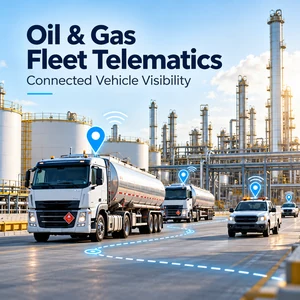
Home Blog Oil & Gas Fleet Telematics Oil & Gas Fleet Telematics: Connected Vehicle & Asset Visibility Oil and gas fleets often operate across highways, terminals, project sites, depots, and remote field locations.Tankers may travel long routes, service vehicles may move between multiple sites, and support fleets can operate far from a central office. In […]
How GPS and Fleet Data Can Reduce Delays in Road Transport Operations
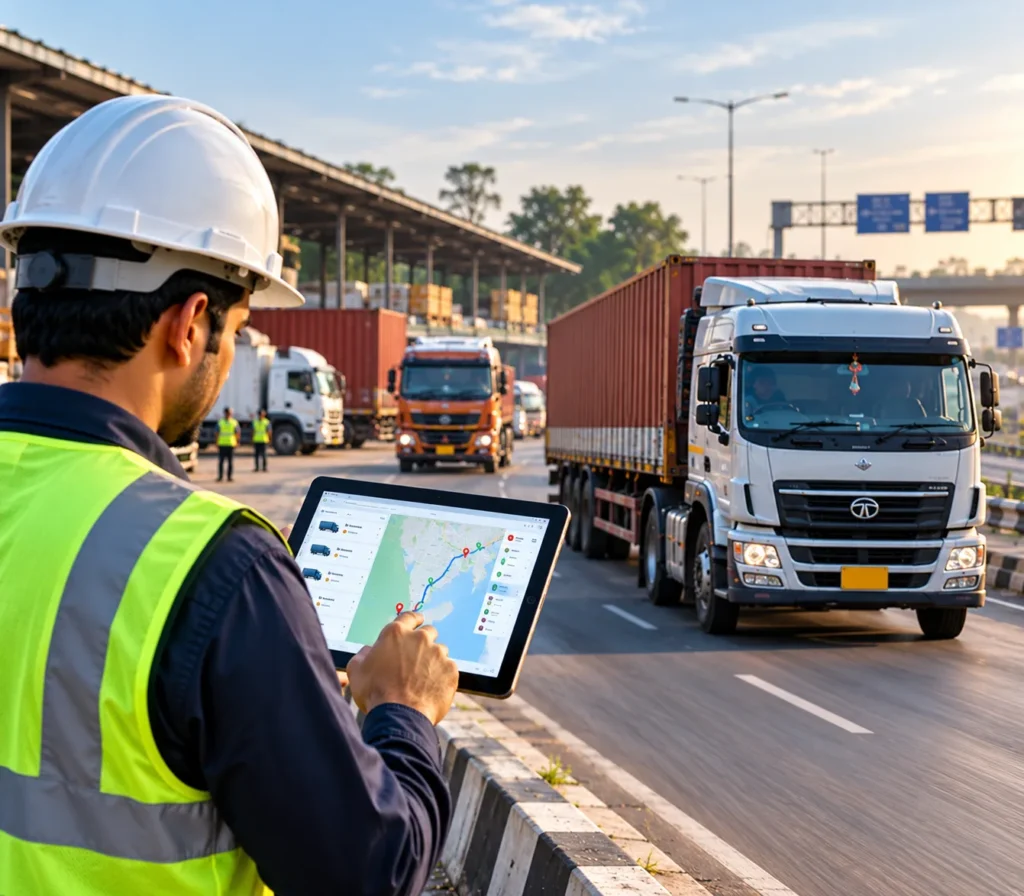
Learn how GPS and fleet data help road transport operators identify recurring delays, monitor stops and waiting time, improve dispatch decisions and strengthen day-to-day fleet visibility.
Fleet Utilization Rate: How to Calculate and Improve Vehicle Utilization
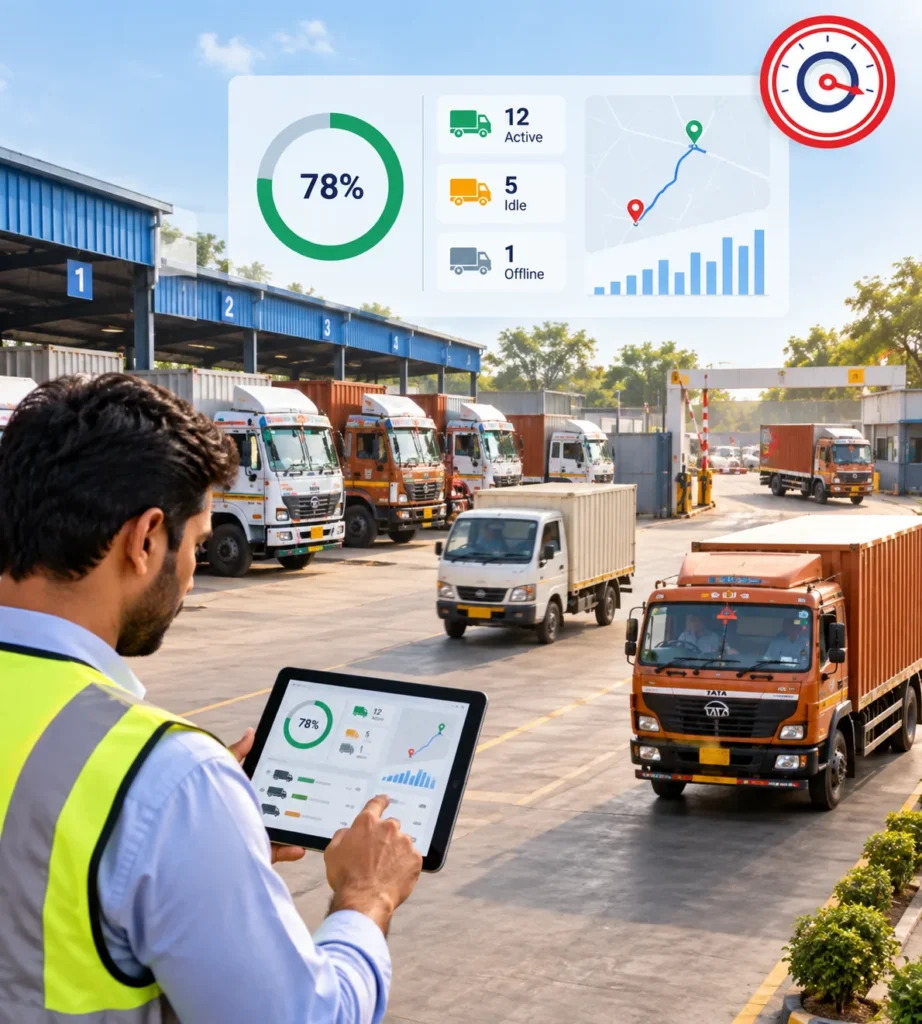
Learn how to calculate fleet utilization rate, understand whether vehicles are being used effectively, identify underused assets and improve utilization using operational and telematics data.
Barrier-Free Tolling in India: How FASTag & ANPR Will Impact Fleet Operators
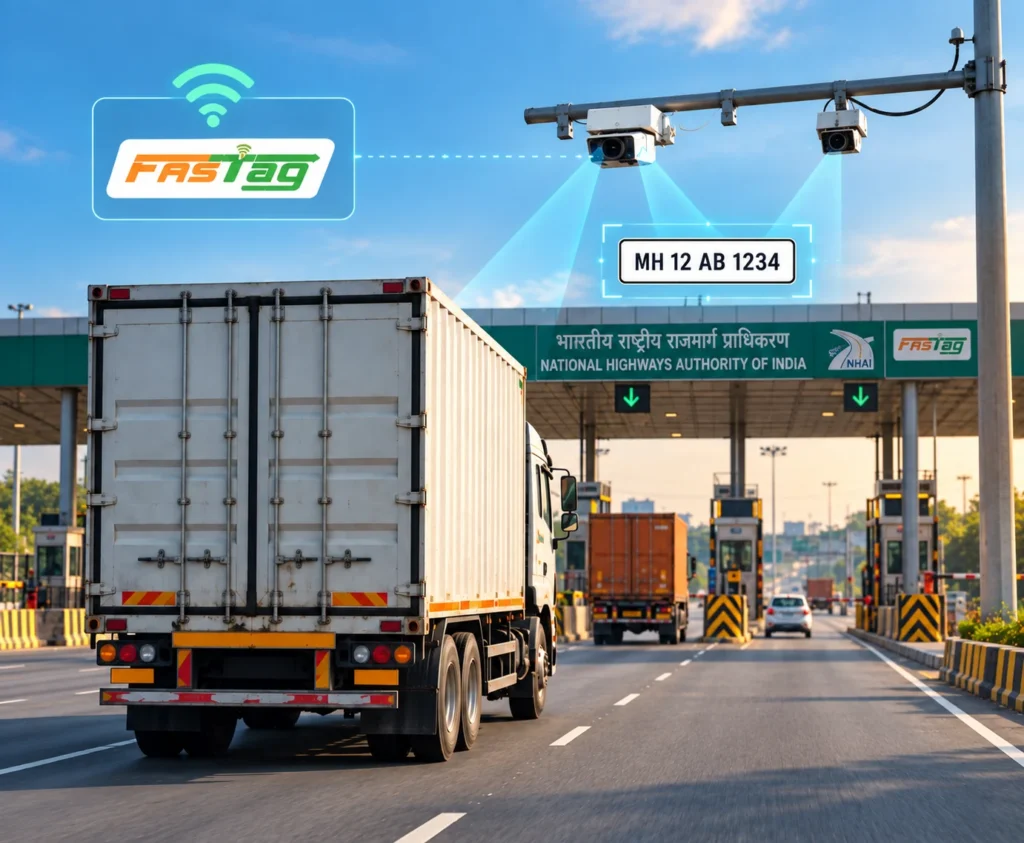
Learn how FASTag and ANPR-based barrier-free tolling is changing highway operations in India and what fleet operators need to know about MLFF, E-Notices, toll costs and vehicle compliance.
Telematics Device: How It Works in Fleet Management | Diselmap
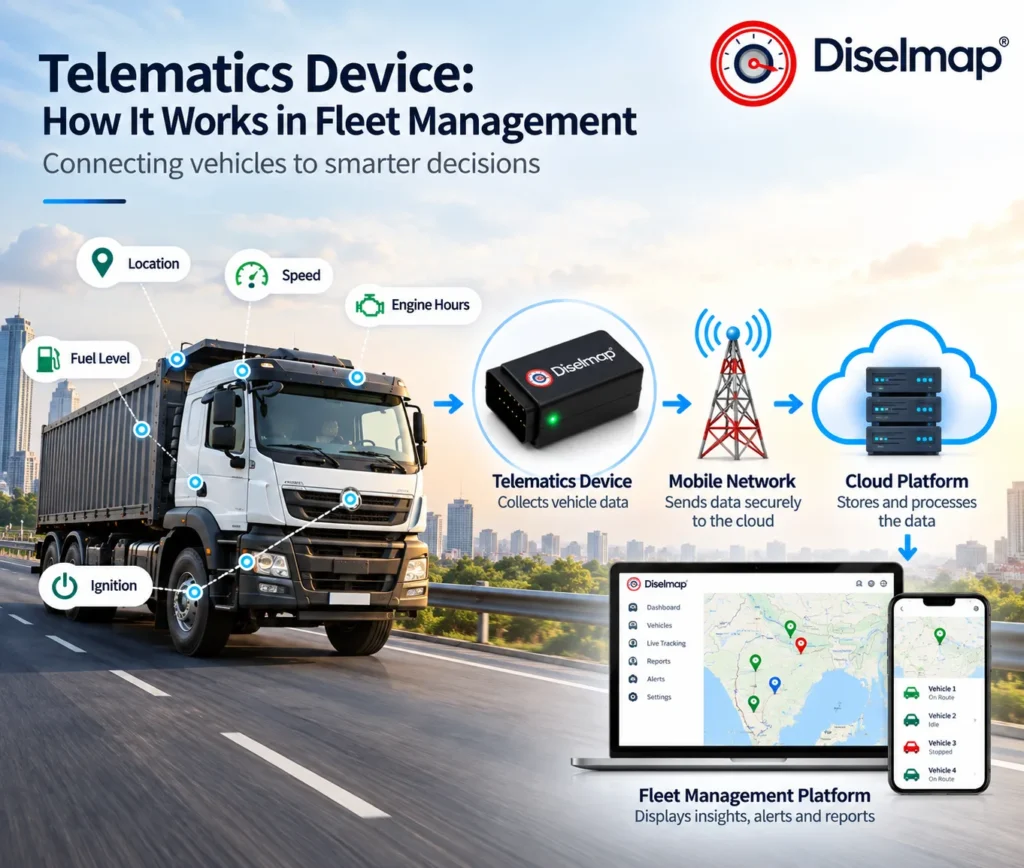
Learn what a telematics device is, how it collects and transmits vehicle data, and how fleet telematics helps improve tracking, monitoring, utilization and operational visibility.
Fleet Tracking vs Fleet Visibility: What’s the Difference for Fleet Managers?
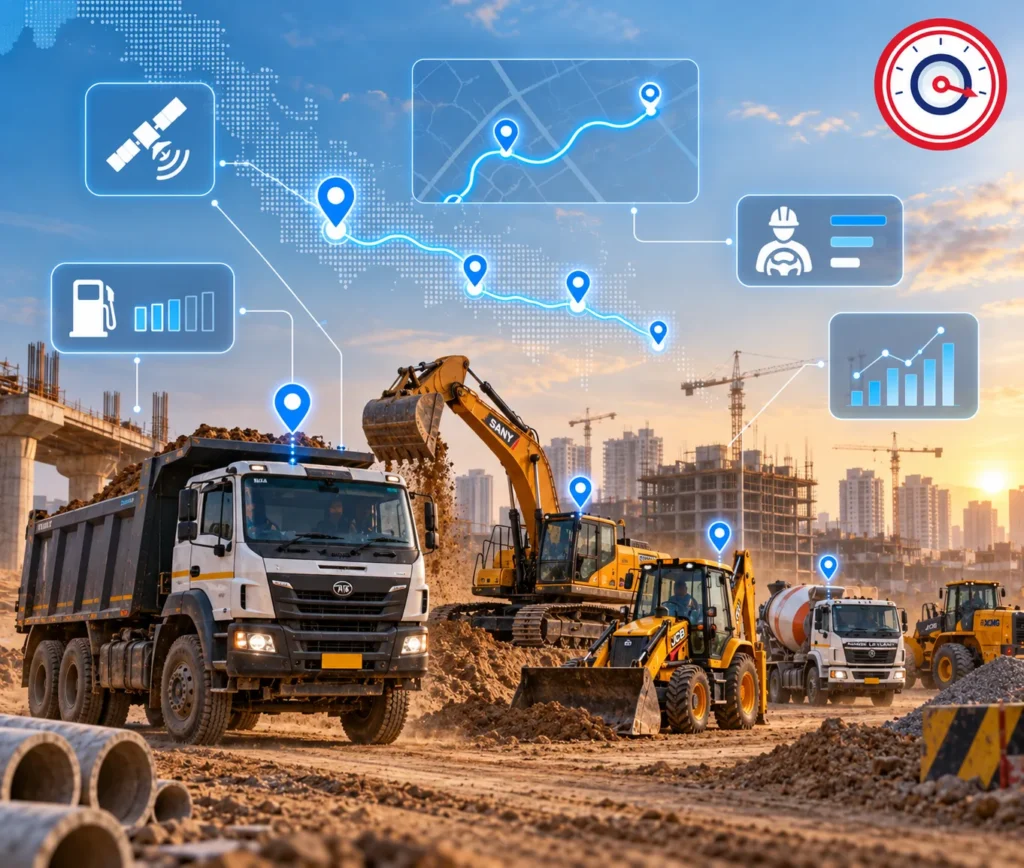
Understand fleet tracking vs fleet visibility and how GPS, telematics, fuel, driver and vehicle data give fleet managers greater operational control.
Brent Crude Crosses $100: What Rising Oil Prices Mean for Indian Fleets in 2026
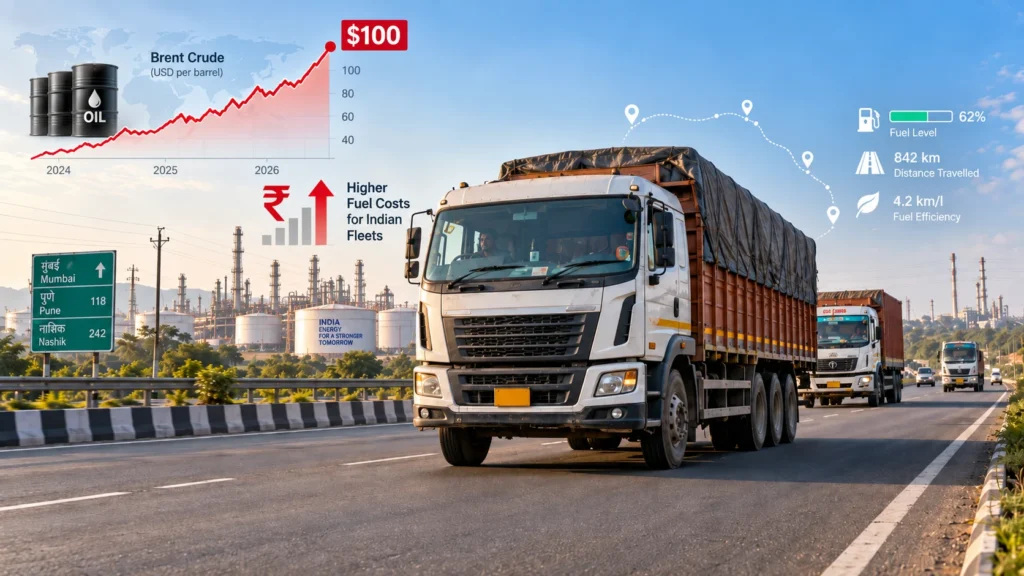
Brent crude has crossed $100 per barrel, raising fresh concerns about fuel and operating costs for Indian fleets. Explore how rising oil prices, a weaker rupee and increasing fuel-cost pressure could affect fleet operators—and how GPS tracking, fuel monitoring and telematics can help improve efficiency and control avoidable costs.
LPG Tanker Accident: Why GPS Tracking Matters for Hazardous Cargo Fleets
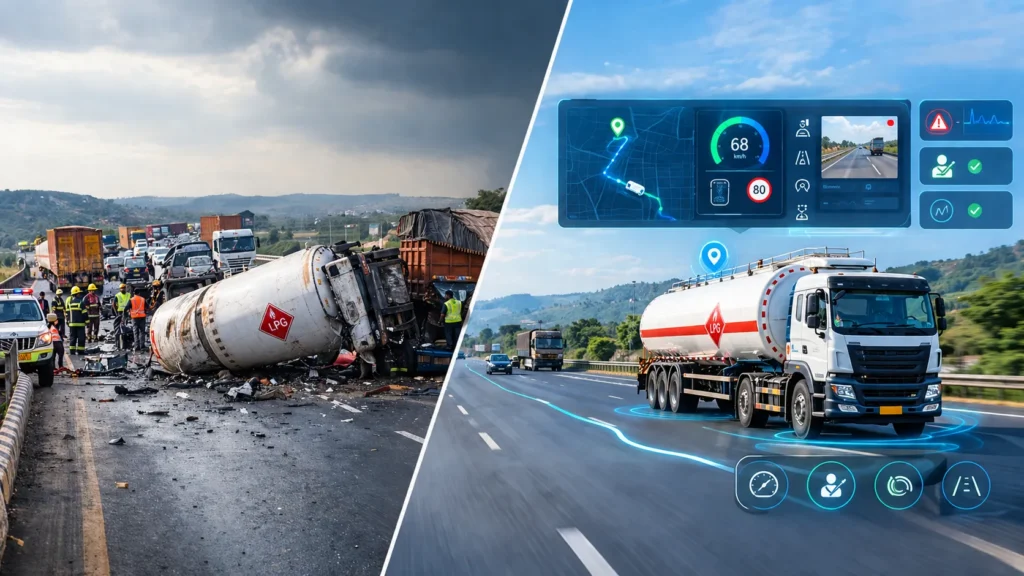
Home Blog Our Article LPG Tanker Accident: Why Real-Time GPS Tracking Matters for Hazardous Cargo Fleets Transporting LPG and other hazardous materials on busy highways requires strong operational visibility. A tanker collision, rollover, route deviation or unexpected stoppage can quickly create serious safety and operational challenges. A recent LPG tanker accident on the Delhi–Mumbai Expressway […]